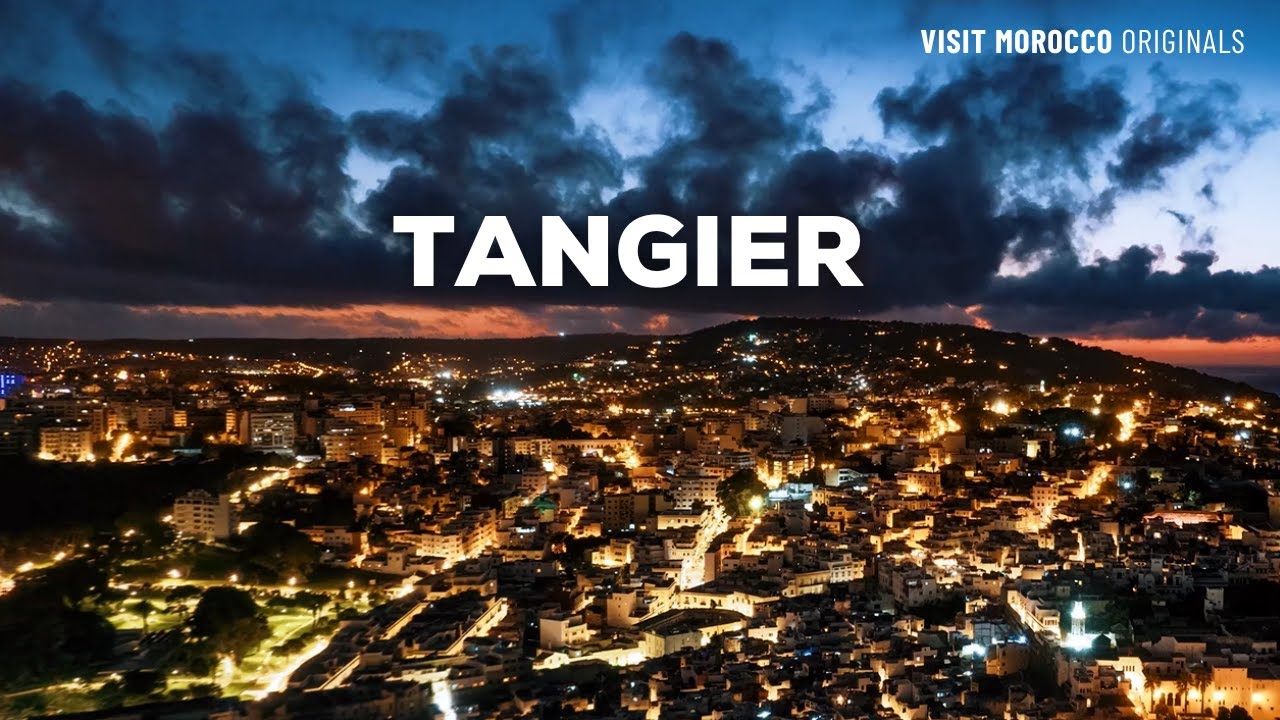
Tangier: Where Continents Collide
You stand at Africa’s northwestern tip.
Spain materializes across the strait—fourteen kilometers of water separating continents, civilizations, everything. Tangier belongs to neither fully. It never has. That’s precisely the point.

From 1923 to 1956, this city operated as an International Zone governed by no single nation. Smugglers, spies, artists, and outcasts converged on this threshold between worlds where normal rules didn’t apply. Fortunes were made in back rooms. Secrets traded hands in cafés. Writers found freedom unavailable in New York or Paris or London. That era ended with Moroccan independence, but Tangier retained something those decades imprinted—a cosmopolitan edge, a sense of perpetual transit, an understanding that borders are more fluid than maps suggest.

The white medina tumbles down hillsides toward the port. Ferries arrive hourly from Spain carrying day-trippers who snap photos and leave, barely scratching the surface. You stay longer. You walk deeper. The souks trade European goods alongside traditional wares. The cafés pour espresso as readily as mint tea. Phoenician, Roman, Portuguese, Spanish, French, Moroccan—every empire that wanted to control the strait left its mark, layers of influence washing over this strategic peninsula like tides.
The Kasbah crowns the heights. Its terraces offer views across water toward Europe. On clear days you see Spanish mountains. You understand why this place attracted people who didn’t quite fit anywhere else—when home is visible but unreachable, you create something new in the space between.
Paul Bowles lived here fifty-two years. Wrote “The Sheltering Sky.” Recorded Moroccan music the world would have lost otherwise. William S. Burroughs wrote “Naked Lunch” in the city’s anything-goes atmosphere, typing in a haze that Tangier not only tolerated but encouraged. Tennessee Williams came. Truman Capote. Jack Kerouac. They found what they couldn’t find elsewhere: permission to be whoever they were becoming.

You find Café Hafa clinging to cliffs above the strait. Order tea. Take the table where Bowles supposedly sat for decades. Watch sunset paint the water gold, then orange, then purple. Europe glows across darkening water. Africa sprawls behind you. You’re suspended between both, belonging to neither.
Which is exactly where Tangier has always existed. And why certain people never leave.