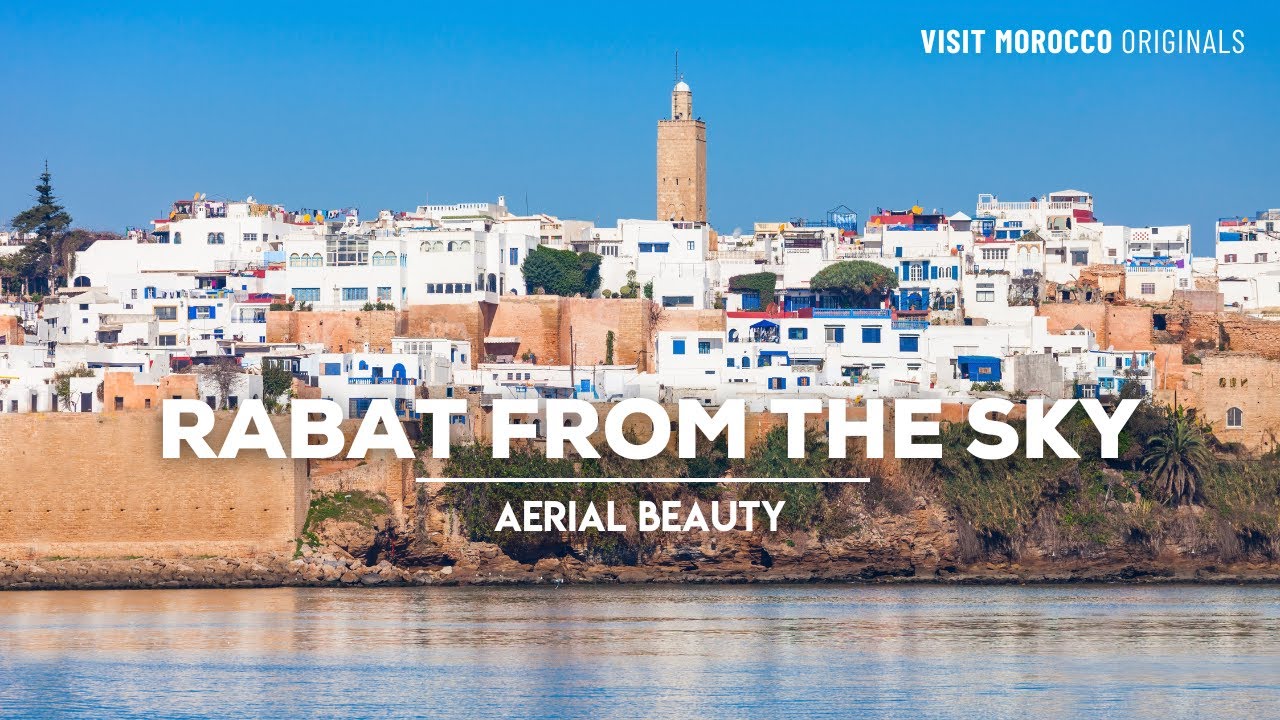
Rabat: The Civilized Capital
You arrive in Morocco’s capital expecting chaos.
You find boulevards. Gardens. Diplomatic restraint. Rabat operates on an entirely different frequency than its imperial siblings—no touts chasing you through medinas, no sensory assault, no exhausting performance of Moroccan-ness for tourist consumption. This is where Morocco governs itself. Where ministries line tree-shaded streets. Where being hassled is the exception rather than the rule you’ve learned to navigate everywhere else.

The Hassan Tower rises incomplete against the sky. A twelfth-century minaret for a mosque so ambitious it was never finished. Sultan Yacoub el-Mansour dreamed too big. An earthquake toppled the columns. They spread around the tower like fallen dominoes—hundreds of them, marking the outline of what would have been among Islam’s largest mosques. Dreams rendered in stone, abandoned mid-construction, left for eight centuries as a monument to hubris or ambition, depending on your perspective.
Beside it: the Mausoleum of Mohammed V. Modern Morocco’s most important shrine. The current king’s grandfather rests beneath intricate tilework and carved marble. Mounted guards in traditional ceremonial dress stand motionless. You can enter—one of the few sacred sites welcoming non-Muslim visitors. The craftsmanship staggers. Every surface decorated. Every detail considered. This is what Morocco builds when it wants to honor its own.

The Kasbah of the Udayas perches above the river mouth where the Bou Regreg meets the Atlantic. Blue and white Andalusian charm. Narrow streets. Ocean views. Peaceful gardens where locals escape midday heat. You walk through without anyone trying to guide you, sell you something, or redirect your path. It’s almost unsettling after Marrakech or Fez.

But the Chellah—the Chellah is where Rabat reveals its romantic side. Roman Sala Colonia’s crumbling walls embrace medieval Islamic structures in perfect decay. Storks nest atop ancient minarets. Cats prowl through gardens where orange trees drop fruit on broken mosaics. This isn’t preserved—it’s gently neglected, allowed to age gracefully, nature and history negotiating their terms without human interference.
You understand why diplomats choose to live here. Why the government functions from these calm streets rather than from Fez’s medieval intensity or Marrakech’s tourist carnival. Rabat doesn’t compete for your attention. It simply exists as a functional, livable city that happens to contain imperial monuments between its administrative duties.
The medina operates at human scale. The beaches stretch clean and accessible. The restaurants serve government workers at lunch—locals eating where locals eat, no menus in five languages, no performance.
This is Morocco’s most relaxed imperial city. Not the most dramatic. Not the most photogenic. But after days of negotiating Fez’s labyrinth or dodging Marrakech’s hustlers, Rabat’s civilized restraint feels like exhaling after holding your breath.